
Watching, learning, and reading about how we express grief
The past couple of weeks have been an immersion in expressing grief. I need to word this better, because it sounds like I’m the one grieving. Although I wonder at my attraction to all these grief-centric experiences. Maybe it’s something I’m feeling that’s looking for a way out; a way to be understood and then resolved. I certainly hope so.
This gorgeous essay by a favourite Sri Lankan writer arrived in my inbox at the beginning of the year. It tackles the grief you feel when you leave your country of birth, your home; what I’ve been feeling. It’s the type of grief that never leaves you, although it does get buried under the layers of figuring out your new life. Reading it made my heart ache, but in a good way.

Not long after, I attended a writing circle meetup. It felt like a sign that the day I chose to attend after a lapse of more than a year was for a mini workshop on writing personal essays, conducted by Zainab Mirza. We learned about putting our life experiences on the page without a layer of fiction as protection. In the span of those few hours, I had chosen a prompt and started an essay on a moral dilemma I’d been struggling with for months. Something that was beyond my control, but was still causing me pain. There wasn’t enough time to finish writing it, but ever since that day, it’s been on my mind far less.
The very next day, I attended a workshop on writing about grief conducted by Sam Meekings, author of Wonder and Loss: A Practical Memoir for Writing about Grief. The author shared his experiences of writing about the loss of his brother, as well as some tips and tools that we can use when writing about trauma and grief, the main one being embodied writing. This I found tougher than I thought it would be. Writing out the physical actions and sensations and leaving out the analysis was hard for someone who has trouble switching her brain off. But maybe this is exactly why I need to do it. It took me back to the holy grail of writing picture books: Show, don’t tell. It seems that any good writing advice stems from those three words.
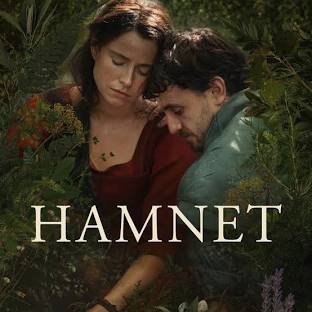
After all the rave reviews that Hamnet has been receiving, with Jane Fonda calling it “the perfect film”, I knew I had to watch it on the big screen. It was showing for a few days at the cinemas in Doha, so my husband and I went, fully prepared to have our insides wrung out. It was, after all, centering the (fictionalised) story of the death of William Shakespeare’s and Agnes Hathaway’s son, Hamnet. It was not so much a movie as it was an experience. There was so much visual storytelling, and every scene told a tale, even when there were no human characters in them. The forest, the house, the bedroom, they all said so much in their silence, sometimes more than the people did.
Adding to this growing consumption of grief, I am also reading Chimamanda Ngozie Adichie’s Notes on Grief. In it, she is trying to make sense of the loss of her beloved father, and she takes us on a somewhat meandering journey with her, all heartachingly raw and beautiful in its vulnerability. She is an author whose work I enjoy reading for her no-frills language. There are no overarching metaphors or literary devices; just thoughts and feelings and sensations, written down as they are. It made me feel close to this stranger and her grief, as if I were listening to a friend pour her heart out to me.
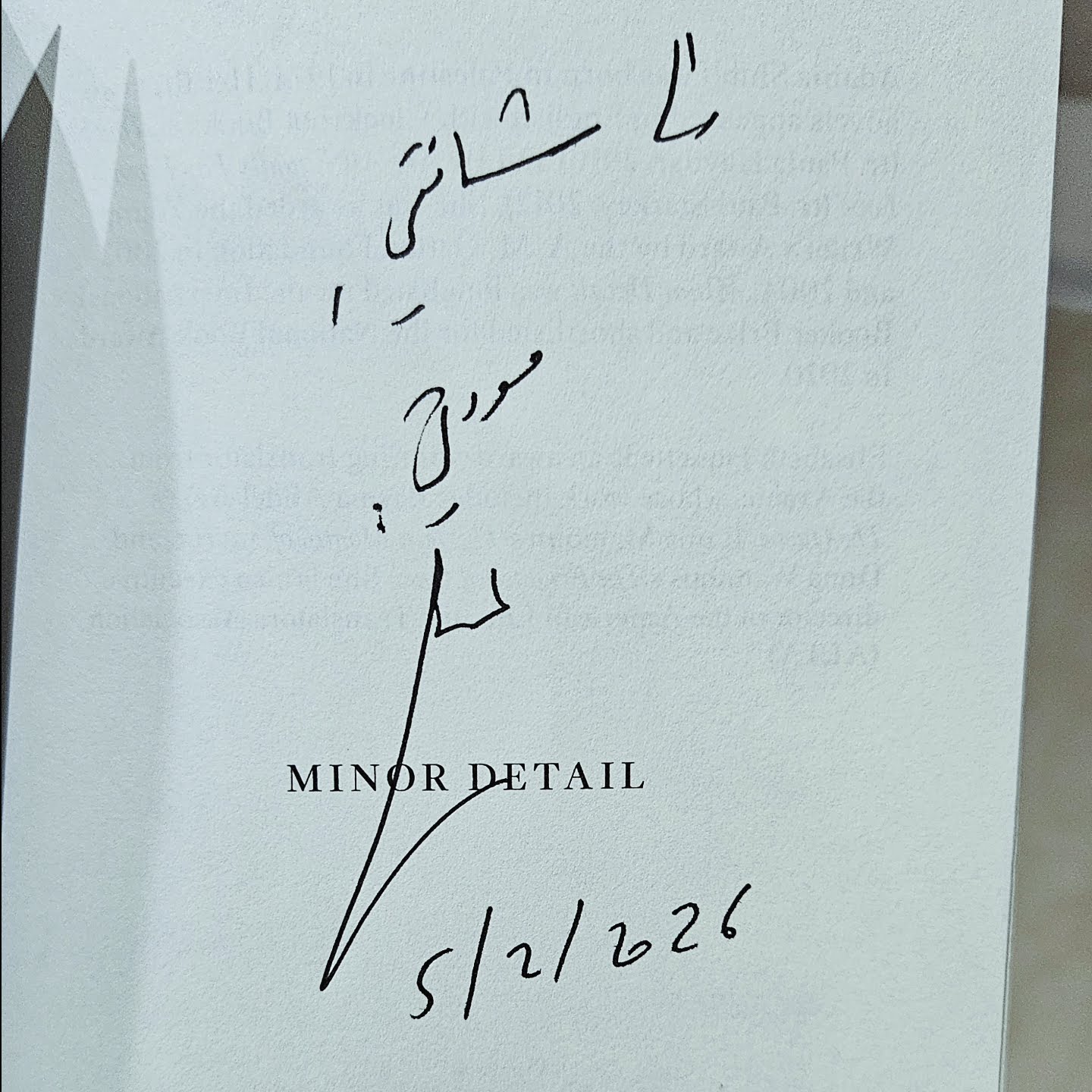
A few days ago, I attended an author talk featuring the luminous Adania Shibli, a Palestinian author. Although I’m yet to read it, her critically acclaimed novel Minor Detail (written in Arabic and translated by Elisabeth Jaquette) has garnered attention for how different it is to a traditional novel; how sparse it is, how clinical, almost. In fact, I don’t think the word grief made its way into the conversation, and I assume the book is written in much the same manner. However, it is not hard to deduce that grief is no stranger to her; she grew up in Palestine under the occupation.
All these moments and experiences made me realise there isn’t any one way for a creative or an artist to present grief. There shouldn’t be. It is a hugely personal emotion that can be communicated with too many words or none at all, too much action or stillness, too much noise…or silence.
How we consume that grief, that is to see and understand another’s grief, is again personal. We might embrace it; cry along with them, be left speechless. Or we may look away, unable to cope or relate, not wanting to feel such a heavy feeling.
I feel lucky to have witnessed all this shared vulnerability this past month. When someone shares their grief and when we choose to understand it, to try, we are also choosing to participate in humanity. Grief isn’t something foreign to any of us, although we may be successful at overcoming it to different degrees. Buddhism states that to live is to suffer, the first instance of it being when we are born. Although we don’t remember it, the act of birth is apparently extremely traumatic. Maybe our very existence since is a testament to how we process it…we go on living.